Karen Morris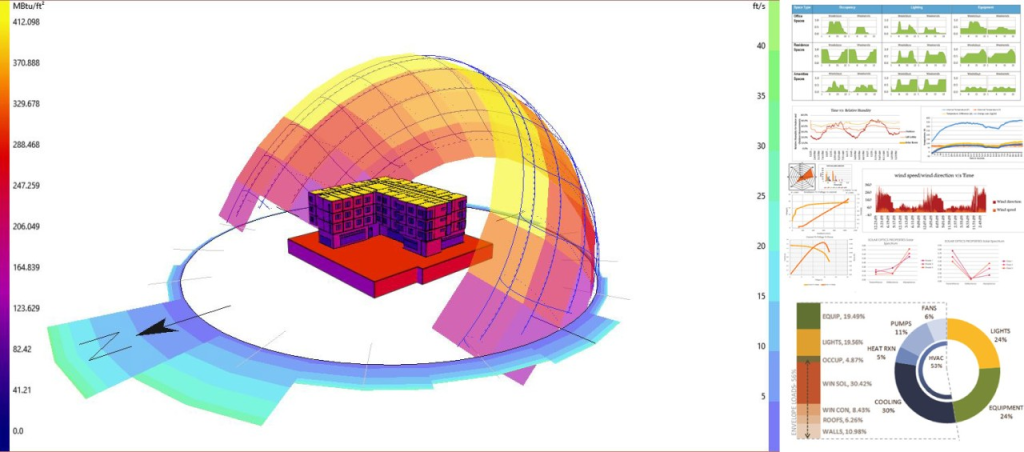
In today’s construction and building management industry, energy efficiency and sustainability are more important than ever. As organizations seek to reduce operating costs, lower carbon emissions, and comply with evolving building regulations, energy modeling has become an essential tool for architects, engineers, building owners, sustainability consultants, and facility managers.
Energy modeling enables building professionals to predict energy consumption, evaluate building performance, and identify opportunities for optimization before construction begins or renovations take place. By using advanced simulation techniques, stakeholders can make data-driven decisions that improve efficiency, reduce environmental impact, and support long-term sustainability goals.
This ultimate guide explains how to conduct energy modeling, including the key steps, benefits, and best practices that can help maximize building performance.
What is Energy Modeling?
Energy modeling is a simulation process used to predict and analyze a building’s energy consumption. By creating a digital representation of a building and evaluating various performance factors, energy modeling helps estimate future energy use, identify inefficiencies, and explore strategies for improving operational performance.
This proactive approach enables building professionals to reduce energy costs, optimize system performance, and support sustainable building design initiatives.
Let’s Explore the Detailed Steps Involved in Energy Modeling
Energy Modeling Step 1: Gathering Data
Accurate data collection is the foundation of a successful energy model. The quality of the input data directly affects the reliability of simulation results.
Building Specifications
Begin by collecting detailed architectural plans, construction methods, material specifications, and building envelope information. These elements significantly influence energy consumption and thermal performance.
Climate Data
Local weather conditions, seasonal temperature variations, humidity levels, solar radiation, and wind patterns all affect building energy requirements. Reliable climate data is essential for realistic simulations.
Occupancy Details
Understanding the number of occupants, occupancy schedules, and building usage patterns helps create accurate operational scenarios. Different occupancy behaviors can dramatically impact energy consumption.
Energy Systems Information
Gather detailed information about HVAC systems, lighting systems, electrical equipment, appliances, and renewable energy technologies. Accurate system data enables more precise performance analysis and optimization.
By collecting comprehensive and accurate information, you establish a solid foundation for developing an effective energy model.
Energy Modeling Step 2: Selecting a Software Tool
Choosing the right energy modeling software is critical to achieving accurate and actionable results.
Compatibility
Select a tool that integrates seamlessly with your existing design, engineering, and building information modeling workflows. Compatibility improves efficiency and reduces implementation challenges.
Features
Look for software that offers advanced capabilities such as three-dimensional modeling, renewable energy analysis, daylighting studies, HVAC simulation, and comprehensive reporting tools.
User-Friendliness
An intuitive interface and streamlined workflow can significantly reduce training time and improve productivity. User-friendly software allows teams to focus on analysis rather than software complexity.
Support and Resources
Access to technical support, training materials, user communities, and educational resources can help users maximize the value of the software and resolve issues efficiently.
The ideal energy modeling platform should balance functionality, accuracy, usability, and scalability to meet project requirements.
Energy Modeling Step 3: Develop the Energy Model
Once the necessary data has been collected and the software has been selected, the energy model can be developed.
Input Data
Enter all gathered building, climate, occupancy, and system information into the modeling platform. Accurate input data is essential for generating reliable simulation results.
Define Zones
Divide the building into thermal zones based on usage, occupancy patterns, orientation, and environmental conditions. Zoning enables more detailed analysis of energy performance across different areas.
Set Parameters
Define insulation values, glazing characteristics, HVAC system configurations, lighting power densities, ventilation rates, and other performance-related parameters.
Run Simulations
Perform baseline simulations to establish current or projected energy consumption levels. These initial results provide a starting point for evaluating building performance and identifying improvement opportunities.
Energy modeling is often an iterative process that involves refining assumptions and adjusting parameters based on simulation outcomes.
Energy Modeling Step 4: Analyzing Results
After simulations are completed, the next step is evaluating the results to identify performance improvements and energy-saving opportunities.
Energy Consumption Patterns
Analyze where and how energy is being used throughout the building. Identifying high-consumption areas helps prioritize efficiency measures.
Peak Load Analysis
Evaluate periods of maximum energy demand and determine the factors contributing to peak loads. Understanding peak usage can help optimize equipment sizing and demand management strategies.
System Performance
Assess the efficiency and effectiveness of HVAC systems, lighting systems, building envelopes, and other energy-consuming components.
Comparative Studies
Compare multiple design alternatives, retrofit options, or operational strategies to determine which solutions provide the greatest energy savings and return on investment.
These insights enable building professionals to make informed decisions that improve energy efficiency and overall building performance.
Energy Modeling Step 5: Iterative Improvements
Energy modeling should not be viewed as a one-time activity. Continuous evaluation and optimization maximize long-term benefits.
Scenario Testing
Analyze different operating conditions, occupancy patterns, climate scenarios, and system configurations to evaluate how changes affect energy performance.
Optimization
Refine building parameters and operational strategies to improve efficiency, reduce energy consumption, and lower operating costs.
Validation
Once a building becomes operational, compare actual energy consumption data with simulation results to validate model accuracy and identify areas for refinement.
Updates
Regularly update the energy model to reflect renovations, equipment upgrades, operational changes, and evolving building requirements. Keeping the model current ensures ongoing value and accuracy.
The Importance of Energy Modeling
Energy modeling delivers significant environmental, operational, and financial benefits throughout the building lifecycle.
Environmental Impact
Energy-efficient buildings consume fewer resources and generate lower greenhouse gas emissions. Energy modeling supports sustainability initiatives and helps reduce environmental impact.
Cost Savings
By identifying inefficiencies before construction or renovation begins, building professionals can reduce utility expenses, lower operating costs, and improve return on investment.
Compliance with Regulations
Energy modeling helps demonstrate compliance with building energy codes, sustainability standards, and environmental regulations, reducing project risks and supporting certification efforts.
By following a structured energy modeling process, building professionals can create high-performing buildings that deliver long-term economic and environmental benefits.
The first step toward improving energy efficiency is understanding how a building consumes energy.
Conclusion
Energy modeling is a powerful analytical tool that enables building professionals to design, construct, and operate more efficient, sustainable, and cost-effective buildings.
By gathering accurate data, selecting appropriate software, developing detailed models, analyzing performance results, and implementing iterative improvements, organizations can significantly enhance building performance while reducing operational expenses and environmental impact.
Understanding energy consumption patterns, optimizing building systems, and maintaining compliance with evolving regulations are essential components of modern building design and management. As sustainability continues to shape the future of construction, energy modeling will remain a critical resource for achieving long-term efficiency and environmental goals.
Start incorporating energy modeling into your projects today to unlock new opportunities for energy savings, sustainability, and building performance optimization.


 Matthew Gonzalez